Understand the Job of a Landscaper in Building and Caring for Dynamic Outdoor Areas
The role of a landscaper surpasses just how things look. Landscapers combine creative skill and nature-based rules to design long-lasting green spaces. By means of meticulous picking the right plants and deliberate planning, they enhance functionality while promoting biodiversity. Yet, the impact of their work goes much further than one specific location. Understanding the diverse duties of landscapers shows profound consequences for societal health and the state of nature. What factors truly drive their decisions in creating these critical natural settings?
The Art and Science of Landscape Design
Many might consider landscape design as just a visual endeavor, it essentially combines design and ecology to form pleasing green areas. A accomplished landscape designer must understand the principles of design, like symmetry, size relation, and pattern, while also taking environmental elements into account. The incorporation of local vegetation, soil types, and weather patterns is vital in forming long-term ecosystems.
By employing artistic elements including color, texture, and form, landscape designers craft attractive environments that connect with human emotions. Meanwhile, scientific knowledge makes certain that these designs are feasible and long-lasting, addressing issues like drainage, plant growth, and pest management.
With this blend of artistry and scientific understanding, landscapers convert common spaces into lively, practical settings that boost public welfare and encourage a bond with the natural world. Ultimately, landscape design is a thoughtful discipline that encourages a deeper appreciation for the surrounding world.
Necessary Talents and Credentials of a Landscaper
For success in the field of landscaping, individuals need to have a varied collection of talents that mix professional know-how with hands-on work. A firm grasp of horticulture is vital, allowing them to choose the right flora and know their cultivation needs. Proficiency in landscape design software is increasingly valuable, allowing professionals to develop precise blueprints and mock-ups for patrons.
Moreover, physical stamina and agility are vital, as landscaping commonly includes heavy lifting, digging, and operating machinery. Communication skills are also important, which permits them to collaborate with clients and fellow workers successfully.
Academic training in landscape architecture or a similar discipline can enhance a landscaper's professional standing, whereas credentials from established bodies may further validate their knowledge. Ultimately, a combination of these skills and attributes allows landscapers to deliver aesthetically pleasing and practical exterior areas, meeting the varied demands of their clients.
Selecting and Sourcing Plants for Best Results
A landscaper's ability to select and acquire vegetation is fundamental to creating robust outdoor settings. This process involves a keen understanding of botany, environmental factors, and earth varieties. By evaluating the specific site conditions, landscapers may determine varieties that can prosper in the given environment, ensuring ideal growth and resilience.
Additionally, procuring flora from trusted growers or local growers is crucial. This not only guarantees the vitality and condition of the plants but also supports sustainable practices. Landscapers commonly utilize local flora, which are suited to regional environments and need minimal upkeep, establishing them as a sustainable preference.
Moreover, the choosing method should factor in yearly fluctuations, making sure the area looks fresh in every season. By carefully choosing a wide array of flora, landscapers design attractive environments as well as encouraging ecological variety and natural harmony, ultimately leading to sustainable outdoor environments.
Creating Functional Outdoor Spaces: Layout and Design
Developing practical exterior areas requires careful consideration of planning and aesthetics to maximize the usability of the space. A skilled landscaper mixes attractive qualities with practical functionality, improving the enjoyment of the environment. Thoughtful design does more than optimize function but integrates seamlessly into the adjacent environment.
Optimized Space Management

Though many residents view their outdoor spaces as mere extensions of their interior environments, effective space utilization changes these spaces into practical and appealing environments. Landscapers play an essential role in assessing the specific measurements and features of every area, ensuring that every square foot is optimized for activity and enjoyment. Careful planning and arrangement include features like walkways, rest areas, and greenery that promote flow and engagement. Navarre Landscaper. By taking into account factors like sunlight, air currents, and current layouts, landscapers create harmonious environments that meet the lifestyle needs of the homeowners. This thoughtful approach boosts usability but also fosters a sense of connection between interior and exterior areas, turning them into integral parts of a cohesive living experience
The Harmony of Form and Use
Achieving a harmonious aesthetic and functional balance in exterior areas requires careful consideration of both visual features and functional requirements. Professionals are required to examine the intended purpose of the space as well as the visual appeal. As an illustration, establishing a lounge space should incorporate relaxing furnishings and making sure it fits with adjacent greenery and routes. Good spatial organization ensures an organic progression, making access straightforward and accessibility. Incorporating features such as lighting, fountains, and varied flora improves both the beauty and functionality. Moreover, using robust supplies makes certain that outdoor spaces resist diverse atmospheric elements, keeping them operational over time. In the read here end, a great exterior layout marries visual delight with utility, developing spaces that promote use and address the requirements of users.
Environmental Responsibility in Landscaping
Environmental sustainability in landscaping is essential for protecting nature and fostering species variety. Through the use of eco-friendly plant selection and using efficient water conservation techniques, landscapers can create outdoor spaces that are both beautiful and ecologically sound. Such a strategy doesn't just improve the aesthetic appeal but also contributes to the sustained vitality of the natural environment.
Choosing Sustainable Plants
How can landscapers contribute to a better local ecology through their plant choices? Through the use of local and water-wise flora, landscapers play an essential role in promoting environmental sustainability. Navarre Landscaper. Native plants require less water and maintenance, aiding regional fauna and reducing the need for synthetic nutrients and insecticides. Their roots grow further down, boosting the vitality of the earth and mitigating washout. Furthermore, utilizing a variety of species of plants promotes ecological variety, which is imperative for environmental strength. Landscapers might also use organic practices, such as composting and mulching, to decrease environmental impact. Through careful plant selection, they not only create vibrant outdoor spaces but also help ensure the preservation of local ecosystems and the overall health of the environment
Techniques for Water Saving
Landscapers are key to boosting sustainability in outdoor environments by employing effective water conservation techniques. One frequently used approach is the use of xeriscaping, which requires choosing drought-resistant plants that demand minimal irrigation. Additionally, landscapers can design efficient irrigation systems, for example drip irrigation, which provides moisture directly to the plant roots, cutting down on waste. Rainwater harvesting systems can also be integrated, making possible the collection and storage of rainwater for landscape use. Mulching aids in retaining soil moisture and lessens evaporation, further supporting water conservation. Furthermore, landscapers should inform clients about appropriate watering schedules to ensure efficient use of water resources. By employing these techniques, landscapers are crucial in promoting environmental sustainability while maintaining vibrant outdoor spaces.
Maintenance Strategies for Successful Outdoor Areas
While many tend to regard maintenance as a routine chore, it is crucial for cultivating vibrant outdoor environments. Proper maintenance routines make sure that landscapes remain healthy and aesthetically pleasing throughout the seasons. Regular tasks feature mowing, pruning, and weeding, which assist in promoting growth and deter pests and diseases.
Irrigation systems need to be watched and adjusted to ensure that plants receive adequate water without too much runoff. Mulching not only retains moisture but also controls weeds, leading to a cleaner appearance. Fertilization, when used wisely, offers vital nutrients that support plant health.
Additionally, addressing drainage issues is necessary to prevent waterlogging, which may harm root systems. Seasonal assessments allow landscapers to identify and address potential problems before they worsen. Through these careful maintenance practices, landscapes will prosper, fostering environments that are both functional and visually appealing.
The Economic and Social Impact of Landscaped Spaces
Despite being commonly disregarded, landscaped spaces play a significant role in enhancing both economic importance and social well-being within communities. Carefully crafted landscapes lure companies and boost land worth, as potential buyers often prioritize aesthetics and green spaces. Moreover, landscaped areas contribute to local economies through supplying sites for functions and enjoyable pastimes, fostering tourism and community engagement.
Socially, these environments support emotional balance and physical condition, providing inhabitants spots to unwind, work out, and engage with the natural world. Public parks and plantings act as community focal points, strengthening communal bonds and promoting societal participation. Moreover, properly cared-for green areas help lower city temperatures, improve air quality, and enhance biodiversity, resulting in improved life circumstances.
Ultimately, green areas do more than just enhance local aesthetics but also provide significant financial advantages and cultivate communal inclusion, establishing them as crucial elements of flourishing societies.
Frequently Asked Questions
What Instruments Are Standard for Landscaping Jobs?
Landscape professionals routinely employ equipment like spades, garden claws, shears, grass cutters, and cultivators. Furthermore, they commonly utilize carts, shrub cutters, and border tools to effectively shape and maintain outdoor spaces in line with layout details and patron choices.
How Do Landscape Professionals Deal with Infestations in Green Areas?
Landscapers manage pest control using integrated approaches, such as determining the type of pests, implementing biological or chemical solutions, fostering advantageous arthropods, and putting in place precautionary steps such as suitable foliage choice and environment care to ensure green environments remain robust.
What Are Common Challenges Landscapers Face During Projects?

Gardeners commonly run into difficulties like unpredictable weather, budget constraints, soil quality issues, pest infestations, and client expectations. These factors can complicate project timelines and affect the overall success of the landscaping endeavor.
In What Way Does the Time of Year Influence Landscaping Work and Upkeep?
Seasons greatly impact landscaping projects and maintenance, because warmth, moisture levels, and sun exposure dictate plant vitality, earth quality, and pest behavior. Landscapers must adapt their strategies accordingly to ensure positive results across all seasons.
What is the average timeline for completing a landscaping job?
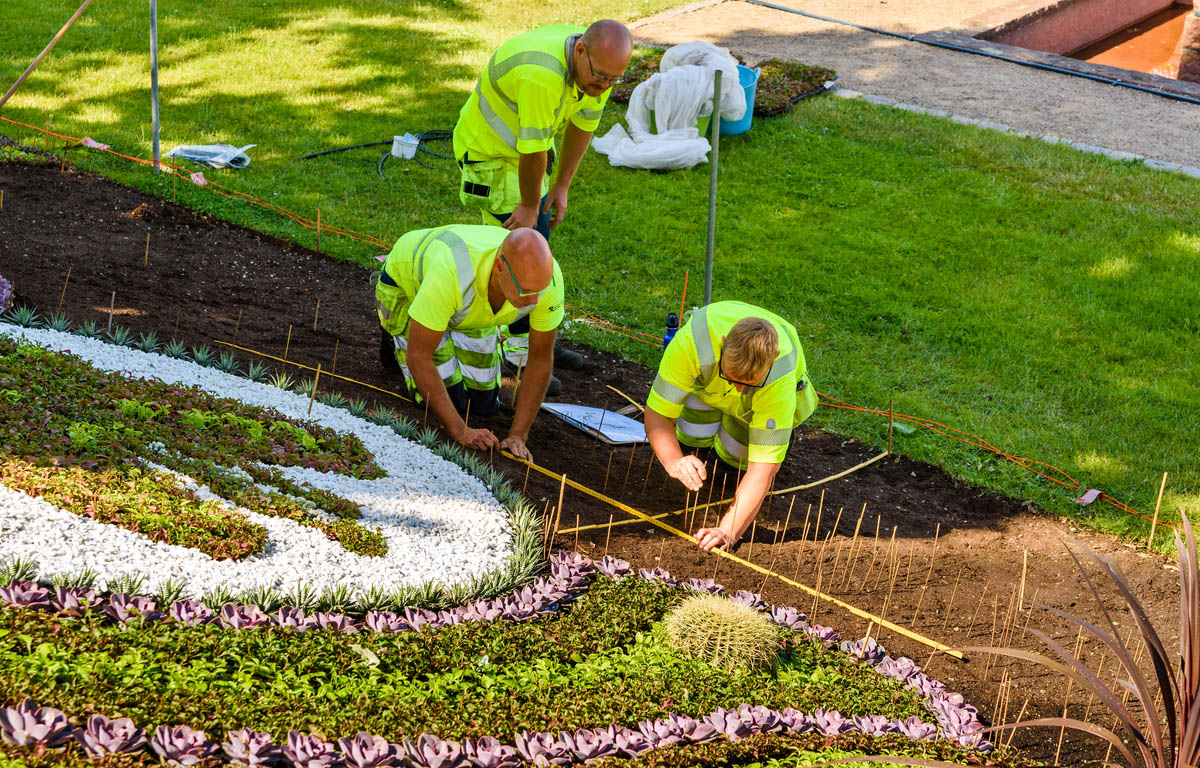
A typical landscaping project duration spans a short period to multiple months. Factors influencing the length are comprised of project complexity, the weather, and seasonal factors, making necessary detailed planning and coordination for it to be completed successfully.